









Interactive Maps
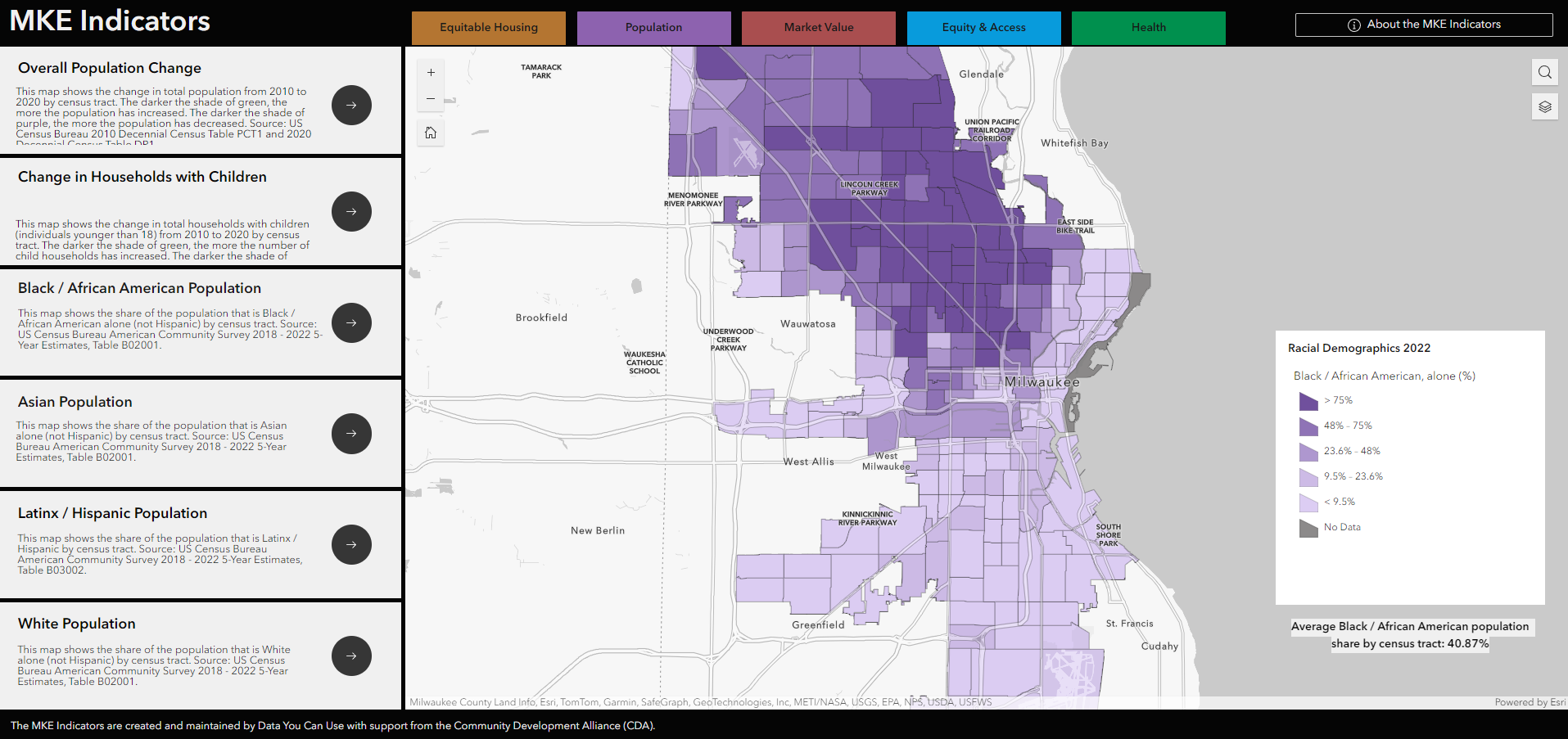
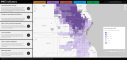
Explore interactive data maps for the City of Milwaukee designed to bring key information to community members, planners, policy makers, and neighborhood organizations across the city.
Neighborhood Dashboard
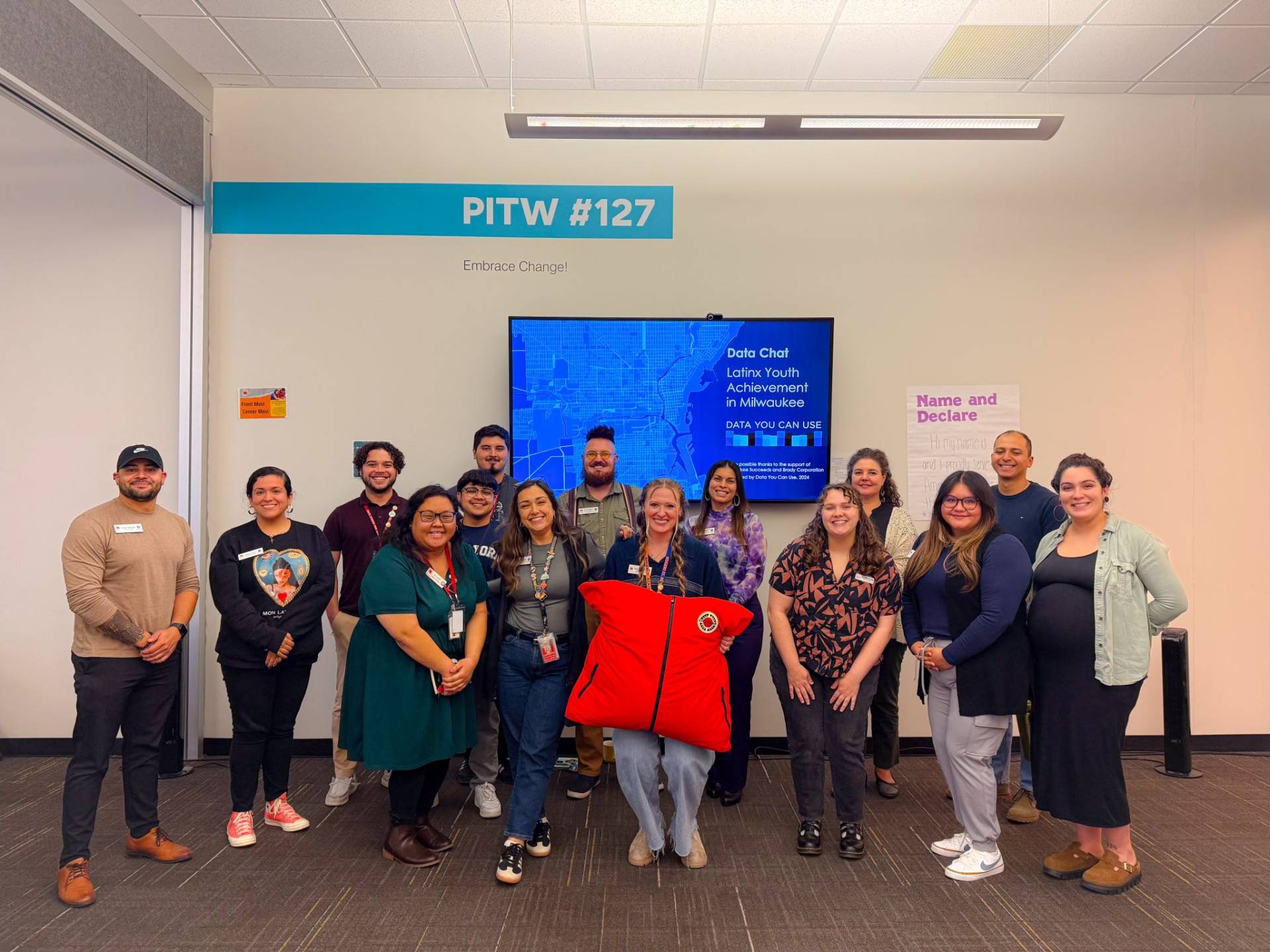
Hosting a community conversation about a topic or issue that concerns your neighborhood or community is even more powerful when supported by data and personal stories. Learn more about our Guide to Data Chats here.

Data Chats
Explore interactive data maps for the City of Milwaukee designed to bring key information to community members, planners, policy makers, and neighborhood organizations across the city.
Data Day
Join us on October 15, 2025 for our annual event, centered around the people and organizations who are using data to improve their neighborhoods and communities in Milwaukee and beyond.
Want to Support Data You Can Use?
Make a donation and support our efforts to make community data more accessible for all.
Our Latest Highlights
News Release: Reclaiming Our Neighborhoods Unveils Housing Report – Urgent Call for Repairs & Investment in Milwaukee
Milwaukee, WI – The Reclaiming Our Neighborhoods (RON) Coalition and Data You Can Use have released the 2024 Housing Conditions Report, exposing widespread disrepair in Milwaukee’s housing stock and the urgent need for investment. The report reveals that nearly one in...
News Release: Data Dream Winners
Data You Can Use is pleased to share our news release, featuring the official announcement of the Data Dream winners. Read the full news release below, or click the link here to download the PDF.
Hot off the Press: the Guide to Data Chats
Data You Can Use is pleased to announce the release of the Guide to Data Chats, co-authored by Data You Can Use staff! https://www.urban.org/research/publication/guide-data-chats-convening-community-conversations-about-data

Data You Can Use is proud to serve as Milwaukee’s representative to the Urban Institute’s National Neighborhood Indicators Partnership. As a partner, we work to democratize data by building local capacity, sharing best practices, and helping users sort through the data to surface, explain, and address issues of concern.